
Why Men’s Nervous System Health Deserves More Attention
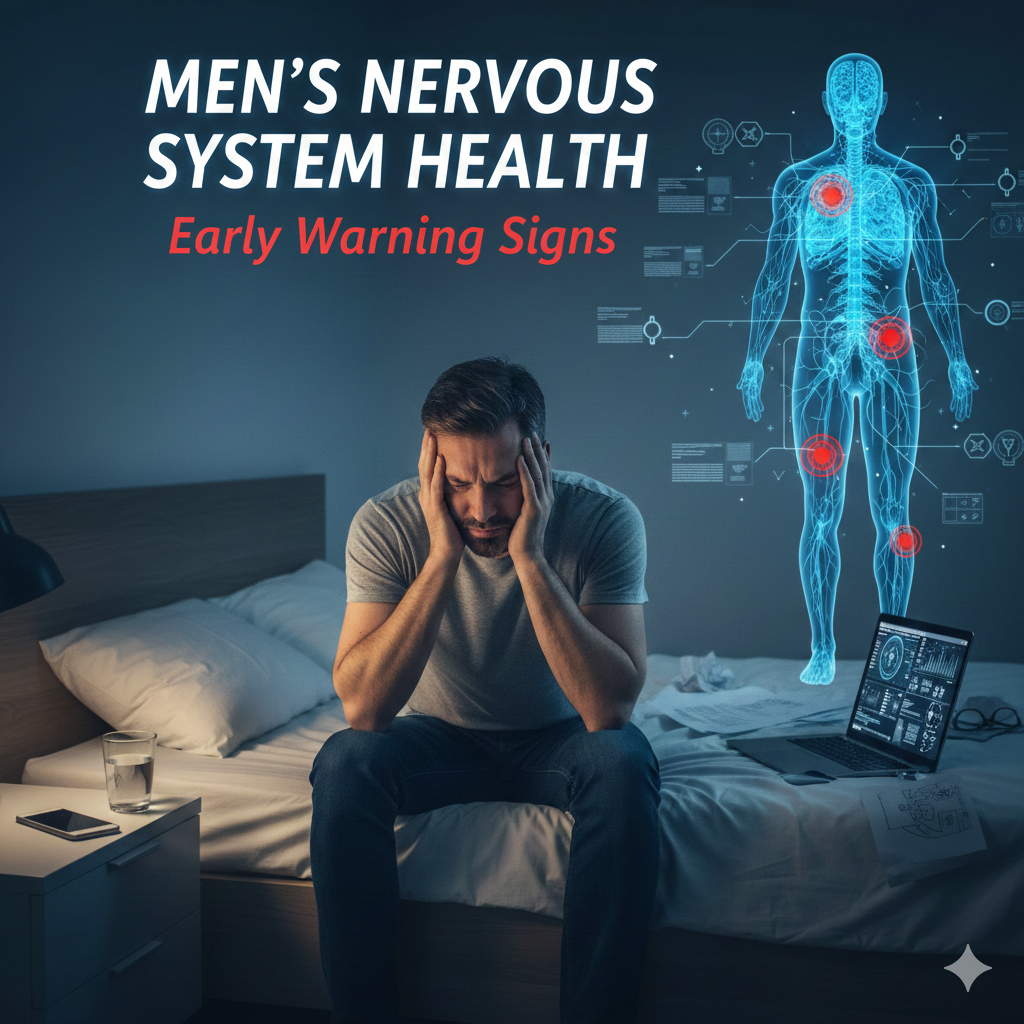
The nervous system is the body’s main communication network. It controls movement, sensation, thinking, emotions, digestion, sexual function, and even how the heart beats. Despite its importance, men often ignore early nervous system warning signs, especially when symptoms seem mild or come and go.
Many serious neurological conditions start with small, subtle signals. These early signs are often misunderstood as stress, aging, fatigue, or “nothing serious.” Unfortunately, ignoring these signals can allow preventable or manageable conditions to worsen over time.
This article explains men’s nervous system health early warning signs in a clear, simple, and practical way. You will learn how to recognize early symptoms, understand what they may mean, and know when to seek medical advice.
Understanding the Nervous System (Simple Explanation)
What Is the Nervous System?
The nervous system is made of:
- Brain – the control center
- Spinal cord – the main communication highway
- Nerves – cables that send messages throughout the body
Two Main Parts of the Nervous System
1. Central Nervous System (CNS)
- Brain
- Spinal cord
2. Peripheral Nervous System (PNS)
- Nerves outside the brain and spinal cord
- Controls muscles, sensation, and organs
Why Nervous System Health Is Critical for Men
Men face unique risks that affect the nervous system, including:
- High stress levels
- Physical labor or repetitive strain
- Higher rates of alcohol and tobacco use
- Delayed medical checkups
- Hormonal changes with age
- Occupational exposure to toxins
Why Early Warning Signs Matter
Early symptoms are the body’s alarm system. When identified early:
- Conditions can be treated more effectively
- Permanent nerve damage may be prevented
- Quality of life can be preserved
- Long-term disability risk is reduced
Ignoring early signs may lead to:
- Chronic pain
- Weakness or paralysis
- Cognitive decline
- Sexual dysfunction
- Loss of independence
Common Early Warning Signs of Nervous System Problems in Men
Persistent or Unusual Headaches
When Headaches Are a Warning Sign
Not all headaches are dangerous. However, seek attention if headaches:
- Are new and severe
- Worsen over time
- Wake you from sleep
- Come with nausea, vision problems, or confusion
Possible Causes
- Migraine disorders
- High blood pressure affecting the brain
- Brain inflammation
- Nerve compression
Numbness, Tingling, or “Pins and Needles”
What This Sensation Means
This often signals nerve irritation or damage.
Common Locations
- Hands and fingers
- Feet and toes
- Legs or arms
Possible Causes
- Peripheral neuropathy
- Diabetes-related nerve damage
- Vitamin B12 deficiency
- Nerve compression (e.g., carpal tunnel)
Muscle Weakness or Loss of Strength
Early Signs
- Difficulty lifting objects
- Weak grip
- Legs feeling heavy
- Trouble climbing stairs
Why This Is Serious
Muscle weakness may indicate:
- Nerve damage
- Spinal cord issues
- Neuromuscular disorders
Balance Problems and Dizziness
Warning Symptoms
- Feeling unsteady
- Frequent stumbling
- Dizziness when standing
- Loss of coordination
Possible Causes
- Inner ear nerve disorders
- Brainstem issues
- Low blood pressure affecting the brain
- Neurodegenerative conditions
Changes in Vision
Nervous System-Related Vision Problems
- Blurred vision
- Double vision
- Loss of peripheral vision
- Sudden vision loss
Why Vision Matters
The eyes are directly connected to the brain through the optic nerve. Vision changes may signal:
- Optic nerve inflammation
- Stroke warning signs
- Brain pressure changes
Tremors or Involuntary Movements
Early Warning Signs
- Shaking hands
- Muscle twitching
- Jerky movements
- Facial spasms
Possible Causes
- Essential tremor
- Early Parkinson’s disease
- Anxiety affecting the nervous system
- Medication side effects
Memory Problems and Mental Fog
Early Cognitive Changes
- Forgetting recent events
- Difficulty concentrating
- Slower thinking
- Trouble finding words
When to Be Concerned
Occasional forgetfulness is normal. Concern arises when:
- Symptoms worsen
- Daily tasks become difficult
- Others notice changes
Mood and Personality Changes
Nervous System and Emotions
The brain regulates mood and behavior. Warning signs include:
- Irritability
- Depression
- Anxiety without clear cause
- Sudden personality changes
These may be linked to:
- Neurochemical imbalance
- Brain inflammation
- Chronic stress affecting neural pathways
Sleep Disturbances
Nervous System Warning Signs During Sleep
- Insomnia
- Excessive daytime sleepiness
- Restless legs
- Acting out dreams
Sleep problems may reflect:
- Nervous system overstimulation
- Neurodegenerative disease markers
- Autonomic nervous system imbalance
Chronic Pain Without Clear Injury
Neuropathic Pain Characteristics
- Burning sensation
- Electric shock feelings
- Sharp or stabbing pain
- Pain without visible injury
This pain often originates from damaged or irritated nerves.
Digestive and Bladder Changes
Nervous System Control of Organs
The autonomic nervous system controls digestion and urination.
Warning signs include:
- Constipation or diarrhea without cause
- Difficulty urinating
- Loss of bladder control
- Erectile dysfunction
These may signal nerve dysfunction rather than digestive problems alone.
Risk Factors That Increase Nervous System Problems in Men
Lifestyle Factors
- Smoking
- Excessive alcohol use
- Poor diet
- Lack of physical activity
- Chronic stress
Medical Conditions
- Diabetes
- High blood pressure
- Autoimmune diseases
- Vitamin deficiencies
Occupational Risks
- Heavy physical labor
- Repetitive movements
- Exposure to chemicals
- Long periods of sitting
When Should Men See a Doctor?
Seek medical advice if symptoms:
- Persist longer than two weeks
- Worsen over time
- Affect daily life
- Appear suddenly or severely
Early evaluation may involve:
- Neurological exam
- Blood tests
- Imaging (MRI or CT)
- Nerve conduction studies
How Men Can Protect Nervous System Health
Healthy Daily Habits
Nutrition for Nerve Health
- Vitamin B12
- Omega-3 fatty acids
- Magnesium
- Antioxidant-rich foods
Physical Activity
- Regular walking
- Strength training
- Stretching exercises
- Balance exercises
Stress Management
Chronic stress damages the nervous system. Helpful practices include:
- Deep breathing
- Meditation
- Adequate sleep
- Social connection
Avoiding Nerve Toxins
- Limit alcohol intake
- Stop smoking
- Use protective equipment at work
- Avoid self-medicating
Early Detection Saves Lives and Quality of Life
Many neurological conditions are manageable when caught early. Men who listen to their bodies and act promptly often avoid severe complications.
Ignoring early nervous system warning signs can lead to:
- Permanent nerve damage
- Chronic disability
- Reduced independence
Paying attention is not weakness—it is responsibility.
Reliable Medical and Research Sources
For further trusted information, consult:
- National Institute of Neurological Disorders and Stroke (NINDS) – https://www.ninds.nih.gov
- Mayo Clinic – Neurology – https://www.mayoclinic.org
- Cleveland Clinic – Nervous System Health – https://my.clevelandclinic.org
These sources provide evidence-based, up-to-date medical guidance.
Listen to Your Nervous System
Your nervous system speaks quietly before it screams. Men who recognize early warning signs protect not only their health but their future independence, work ability, and quality of life.
Do not ignore persistent symptoms. Early action is the strongest form of prevention.
Disclaimer
This article is for educational purposes only and does not replace professional medical advice, diagnosis, or treatment. Always consult a qualified healthcare provider regarding any health concerns or symptoms.