
Why Male Hormones Matter More Than You Think

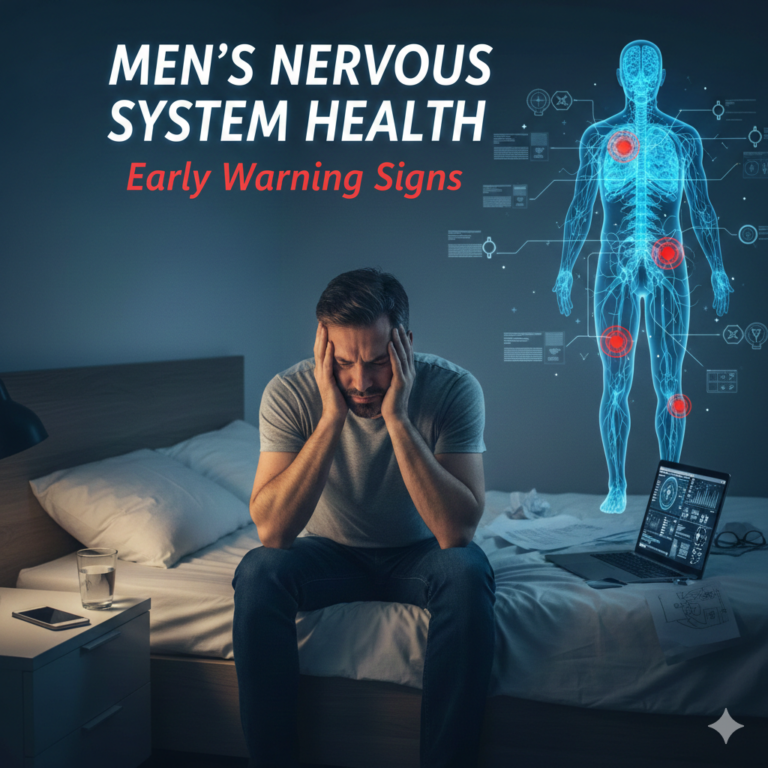
Male hormones play a central role in how the body functions every single day. From the moment a man wakes up to how energetic he feels at work, how stable his mood is, how strong his muscles are, and even how well he sleeps at night—hormones are working silently in the background. Yet many men only start thinking about hormones when something feels “off,” such as constant fatigue, low motivation, mood swings, or declining physical performance.
This article takes a deep but simple look at male hormones, especially testosterone and its related hormones. We will explore how they affect energy, mood, mental clarity, physical health, and long-term well-being. Everything is explained in clear language, suitable for the general public, while remaining medically accurate, evidence-based, and compliant with Google AdSense and Google Search policies.
Understanding Male Hormones
What Are Hormones? A Simple Explanation
Hormones are chemical messengers produced by glands in the body. They travel through the bloodstream and tell organs and tissues what to do. Think of hormones as text messages sent from one part of the body to another, controlling growth, energy use, emotions, metabolism, and reproduction.
In men, certain hormones are especially important because they shape physical characteristics, mental health, and overall vitality.
Key Male Hormones and Their Roles
Testosterone – The Primary Male Hormone
Testosterone is the most well-known male hormone. It is mainly produced in the testes and, to a smaller extent, in the adrenal glands.
Main functions of testosterone include:
- Maintaining muscle mass and strength
- Supporting bone density
- Regulating sex drive (libido)
- Influencing mood and motivation
- Supporting red blood cell production
- Contributing to cognitive function and focus
Testosterone levels are highest in early adulthood and naturally decline with age, usually starting around the age of 30.
Dihydrotestosterone (DHT)
DHT is a powerful hormone derived from testosterone. While essential for male sexual development, excessive DHT is associated with:
- Male pattern hair loss
- Prostate enlargement in some men
DHT is stronger than testosterone in certain tissues, which is why balance is crucial.
Estrogen in Men
Although estrogen is often labeled a “female hormone,” men also need it—in small amounts. Estrogen in men helps:
- Maintain bone health
- Support brain function
- Regulate cholesterol levels
Problems arise when estrogen levels become too high or too low relative to testosterone.
Cortisol – The Stress Hormone
Cortisol is produced by the adrenal glands and is essential for survival. It helps regulate:
- Blood sugar levels
- Blood pressure
- The body’s stress response
However, chronic stress can lead to consistently high cortisol levels, which negatively affect testosterone, mood, and energy.
Insulin and Thyroid Hormones
Although not male-specific, these hormones strongly influence male health:
- Insulin controls blood sugar and energy storage
- Thyroid hormones regulate metabolism and overall energy levels
Imbalances can mimic or worsen symptoms of low testosterone.
Male Hormones and Energy Levels
How Testosterone Influences Daily Energy
Testosterone plays a major role in energy production by:
- Supporting muscle metabolism
- Enhancing oxygen delivery through red blood cells
- Improving mitochondrial function (the “power plants” of cells)
Low testosterone levels are often linked to:
- Persistent fatigue
- Reduced stamina
- Feeling drained even after rest
Hormonal Fatigue vs. Normal Tiredness
It’s normal to feel tired after a long day. Hormonal fatigue, however, is different:
- It persists even after good sleep
- It affects motivation and mental clarity
- It often comes with low mood or irritability
When hormones are balanced, the body recovers faster and maintains steady energy throughout the day.
The Role of Cortisol in Energy Crashes
Short-term cortisol release helps the body respond to challenges. But long-term stress keeps cortisol elevated, which:
- Suppresses testosterone production
- Disrupts sleep
- Causes energy highs and crashes
This hormonal imbalance often leads to burnout and chronic exhaustion.
Male Hormones and Mood
Testosterone and Emotional Stability
Testosterone influences brain chemicals such as dopamine and serotonin, which affect mood and motivation. Healthy testosterone levels are associated with:
- Emotional resilience
- Confidence
- Motivation and drive
Low testosterone has been linked to:
- Irritability
- Low mood
- Reduced enjoyment in daily activities
Hormones and Anxiety or Low Mood
Hormonal imbalance does not automatically cause mental health disorders, but it can worsen symptoms. Men with low testosterone may experience:
- Increased stress sensitivity
- Reduced stress tolerance
- Mental fatigue
This is why hormonal health is increasingly considered part of overall mental well-being.
Sleep, Hormones, and Mood
Sleep is one of the strongest regulators of male hormones. Poor sleep:
- Lowers testosterone production
- Raises cortisol levels
- Increases emotional reactivity
Quality sleep supports both hormonal balance and emotional stability.
Male Hormones and Physical Health
Muscle Mass and Strength
Testosterone promotes protein synthesis, which is essential for muscle growth and repair. Balanced levels help:
- Maintain lean muscle mass
- Improve physical performance
- Support faster recovery after exercise
Low levels can lead to muscle loss over time.
Bone Density and Injury Prevention
Testosterone and estrogen work together to maintain strong bones. Hormonal imbalance increases the risk of:
- Bone thinning
- Fractures
- Long-term mobility issues
This is especially important as men age.
Cardiovascular Health
Healthy testosterone levels are associated with:
- Better cholesterol balance
- Improved blood vessel function
- Reduced inflammation
Extremely low or extremely high hormone levels can negatively impact heart health, highlighting the importance of balance.
Hormones, Brain Health, and Cognitive Function
Focus, Memory, and Mental Sharpness
Testosterone receptors are present in key brain areas. Balanced hormones support:
- Concentration
- Memory formation
- Mental clarity
Hormonal decline may contribute to “brain fog” or reduced cognitive performance.
Motivation and Drive
Testosterone plays a role in reward and motivation systems in the brain. This explains why hormonal imbalance can affect:
- Work performance
- Goal-setting
- Overall life engagement
Factors That Affect Male Hormone Levels
Age and Natural Hormonal Changes
Testosterone typically declines gradually with age. This is normal, but lifestyle factors strongly influence how noticeable the effects are.
Lifestyle Factors
Nutrition
- Adequate protein supports hormone production
- Healthy fats are essential for testosterone synthesis
- Micronutrients like zinc and vitamin D are critical
Physical Activity
- Resistance training supports testosterone
- Excessive endurance training without recovery may lower levels
Stress Management
- Chronic stress raises cortisol
- Relaxation techniques support hormonal balance
Environmental and Health Factors
- Poor sleep
- Excess body fat
- Certain medications
- Chronic illnesses
All can disrupt normal hormone regulation.
Supporting Healthy Male Hormones Naturally
Daily Habits That Make a Difference
Small, consistent habits often have the greatest impact:
- Regular sleep schedule
- Balanced meals
- Moderate physical activity
- Stress reduction practices
When to Seek Medical Advice
If symptoms such as persistent fatigue, low mood, or physical decline continue, a healthcare professional can evaluate hormone levels through proper testing and medical guidance.
Reliable Medical and Research Sources
For readers who want deeper scientific information, the following reliable sources provide evidence-based insights:
- National Institutes of Health (NIH) – Hormones and men’s health
https://www.nih.gov - Endocrine Society – Testosterone and hormone regulation
https://www.endocrine.org - Mayo Clinic – Male hormone health and aging
https://www.mayoclinic.org
Hormonal Balance as a Foundation of Men’s Health
Male hormones influence far more than physical appearance or sexual health. They shape energy levels, emotional well-being, mental performance, and long-term health outcomes. Understanding how hormones work—and how daily habits affect them—empowers men to take proactive steps toward better health and quality of life.
Balanced hormones are not about extremes or quick fixes. They are about consistency, awareness, and informed choices that support the body over time.
Disclaimer
This article is for informational and educational purposes only and does not replace professional medical advice, diagnosis, or treatment. Always consult a qualified healthcare provider regarding any health concerns or hormonal issues.