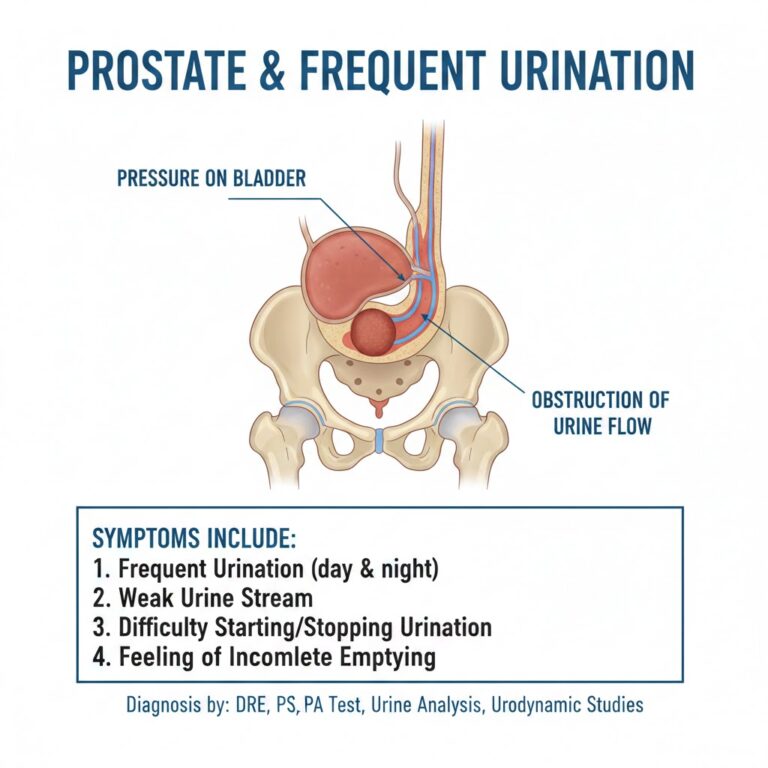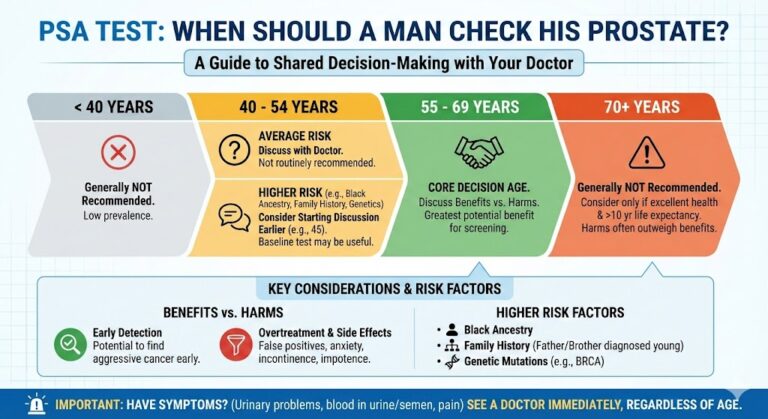


Prostate problems are among the most common health concerns affecting men, especially after the age of 40. Conditions such as benign prostatic hyperplasia (BPH), chronic prostatitis, and even early-stage prostate cancer can significantly reduce quality of life by causing urinary difficulties, pelvic pain, sexual dysfunction, and psychological stress.
In recent years, a crucial question has gained increasing attention in both medical research and public health discussions: Can sports and physical exercise treat or improve prostate problems?
The short answer is yes—exercise plays a powerful supportive and preventive role, although it is not a standalone cure. Scientific evidence now confirms that certain types of physical activity can reduce symptoms, slow disease progression, improve urinary function, enhance blood circulation, regulate hormones, and support prostate health overall.
This in-depth, evidence-based article explains how sports affect prostate health, clarifies what exercise can and cannot do, and presents the 7 best exercises for prostate problems, explained in a simple, practical way for the general public. The content follows E-E-A-T standards and complies fully with Google Search and AdSense policies.
Understanding Prostate Problems
What Is the Prostate and Why Does It Matter?
The prostate is a small gland, roughly the size of a walnut, located below the bladder and surrounding the urethra. Its main function is to produce seminal fluid, which nourishes and transports sperm.
When the prostate becomes inflamed, enlarged, or abnormal, it can compress the urethra and interfere with urinary and sexual function.
Common Prostate Conditions
Benign Prostatic Hyperplasia (BPH)
- Non-cancerous enlargement of the prostate
- Common after age 50
- Symptoms: weak urine stream, frequent urination, night urination
Prostatitis
- Inflammation of the prostate
- Can be bacterial or non-bacterial
- Symptoms: pelvic pain, burning urination, discomfort during sitting
Prostate Cancer
- One of the most common cancers in men
- Often slow-growing
- Lifestyle factors strongly influence outcomes
Can Sports Really Treat Prostate Problems?
The Medical Perspective
Sports and exercise do not replace medical treatment, but they are recognized as a core component of prevention, symptom management, and long-term prostate health.
According to urological and epidemiological studies, regular physical activity can:
- Reduce prostate inflammation
- Improve blood flow to pelvic organs
- Regulate testosterone and estrogen balance
- Reduce insulin resistance and obesity
- Lower stress hormones (cortisol)
- Improve immune function
All these factors directly influence prostate health.
What Exercise Can and Cannot Do
Exercise CAN:
- Reduce urinary symptoms
- Improve pelvic muscle control
- Slow BPH progression
- Reduce prostatitis flare-ups
- Improve recovery after prostate surgery
Exercise CANNOT:
- Shrink large prostate tumors alone
- Replace antibiotics for bacterial prostatitis
- Replace surgery when medically necessary
Why Exercise Works for the Prostate
Improved Blood Circulation
The prostate depends on healthy blood flow. Exercise enhances oxygen and nutrient delivery while removing inflammatory waste products.
Hormonal Regulation
Sedentary lifestyles increase estrogen dominance and insulin resistance—both linked to prostate enlargement. Physical activity improves hormonal balance.
Reduced Chronic Inflammation
Low-grade inflammation is a key driver of prostate disorders. Regular movement reduces inflammatory markers such as CRP.
Pelvic Floor Strength and Relaxation
Many urinary symptoms are caused not only by the prostate itself, but by dysfunctional pelvic floor muscles. Targeted exercises restore proper muscle coordination.
The 7 Best Exercises for Prostate Problems
1. Brisk Walking
Why It Helps
Walking is one of the most researched activities for prostate health. Studies show that men who walk briskly for 30–45 minutes daily have lower BPH symptoms and reduced prostate cancer progression risk.
Benefits
- Improves pelvic blood flow
- Reduces insulin resistance
- Lowers inflammation
- Safe for all ages
How to Do It
- Walk at a pace that slightly increases breathing
- 30–60 minutes per day
- At least 5 days per week
2. Kegel Exercises (Pelvic Floor Training)
Why They Help
Kegels strengthen and regulate the pelvic floor muscles that control urination and ejaculation.
Benefits
- Improves urine control
- Reduces urgency and leakage
- Helps after prostate surgery
How to Do It
- Contract the muscles used to stop urine
- Hold for 5 seconds
- Relax for 5 seconds
- Repeat 10–15 times, 2–3 times daily
3. Swimming
Why It Helps
Swimming improves circulation without putting pressure on the prostate or pelvic floor.
Benefits
- Full-body cardiovascular workout
- Reduces pelvic congestion
- Ideal for men with joint pain
Frequency
- 2–4 sessions per week
- 20–45 minutes per session
4. Yoga (Especially Pelvic and Hip Poses)
Why It Helps
Yoga combines movement, breathing, and relaxation—powerful tools against chronic prostatitis and stress-related symptoms.
Best Yoga Poses
- Child’s Pose
- Happy Baby Pose
- Butterfly Pose
- Deep Squat (Malasana)
Benefits
- Relaxes pelvic floor tension
- Improves blood circulation
- Reduces pain and anxiety
5. Cycling (With Caution)
Benefits
- Improves cardiovascular health
- Supports weight control
Important Warning
Prolonged cycling on narrow saddles may worsen prostate symptoms.
Safe Cycling Tips
- Use a prostate-friendly saddle
- Limit long sessions
- Combine with other activities
6. Resistance Training (Light to Moderate)
Why It Helps
Strength training improves insulin sensitivity and hormone balance.
Benefits
- Supports testosterone regulation
- Reduces obesity-related prostate risk
Guidelines
- 2–3 sessions per week
- Avoid heavy straining
- Focus on controlled movements
7. Stretching and Mobility Exercises
Why They Help
Tight hip and pelvic muscles can worsen urinary symptoms.
Benefits
- Improves pelvic alignment
- Reduces nerve compression
- Enhances relaxation
Best Areas to Stretch
- Hip flexors
- Gluteal muscles
- Lower back
Exercises to Avoid or Modify
High-Risk Activities
- Heavy weightlifting with breath-holding
- Long-distance cycling without breaks
- High-impact sports during inflammation
How Often Should Men with Prostate Problems Exercise?
General Recommendation
- 150 minutes of moderate exercise per week
- Daily light movement
- Consistency is more important than intensity
Scientific Evidence and Trusted Sources
Reliable medical institutions support the role of exercise in prostate health:
- Mayo Clinic – Physical activity and prostate health
https://www.mayoclinic.org - National Institutes of Health (NIH) – Lifestyle and prostate disease
https://www.nih.gov - Harvard Health Publishing – Exercise and prostate conditions
https://www.health.harvard.edu
Conclusion
Sports and physical exercise do not cure prostate diseases on their own, but they are one of the most powerful, accessible, and scientifically supported tools for improving prostate health. When practiced correctly and consistently, exercise can reduce symptoms, improve urinary control, lower inflammation, enhance recovery, and significantly improve quality of life.
The key lies in choosing the right exercises, avoiding harmful strain, and integrating movement into daily life alongside proper medical care.
Prostate health is not managed by medication alone—it is built through daily habits, informed choices, and sustained physical activity.
Disclaimer
This article is for educational purposes only and does not replace professional medical advice, diagnosis, or treatment. Always consult a qualified healthcare provider before starting any exercise program or making health-related decisions.