
Why Men’s Health Deserves Serious Attention

Men’s general health is not just a personal matter—it is a long-term investment that affects families, communities, and societies as a whole. A healthy man is more productive, more emotionally balanced, and more capable of enjoying life with purpose and energy. Yet, globally, men tend to live shorter lives than women and are more likely to suffer from preventable chronic diseases.
This gap is not caused by biology alone. Lifestyle choices, delayed medical care, stress, poor nutrition, lack of physical activity, and cultural beliefs about masculinity all play a major role. The good news is that most of these factors can be changed. By understanding men’s health in a simple, practical, and proactive way, every man can significantly increase both his life expectancy and his quality of life.
This article provides a clear, evidence-based, and easy-to-understand guide to men’s general health. It focuses on prevention, daily habits, mental well-being, physical fitness, and long-term strategies that truly work.
Understanding Men’s General Health
What Is Men’s General Health?
Men’s general health refers to the overall physical, mental, emotional, and social well-being of men throughout their lives. It is not only about avoiding disease but also about maintaining strength, energy, clarity of mind, emotional stability, and resilience as men age.
Good health allows men to work effectively, maintain healthy relationships, manage stress, and enjoy life fully. Poor health, on the other hand, often leads to chronic pain, fatigue, emotional distress, and reduced independence.
Why Men Often Neglect Their Health
Many men avoid regular medical check-ups and ignore early symptoms. Common reasons include:
- Belief that seeking help is a sign of weakness
- Busy work schedules and family responsibilities
- Fear of diagnosis
- Lack of health education
- Cultural pressure to “tough it out”
Unfortunately, this delay often results in diseases being discovered at later, more dangerous stages.
The Impact of Lifestyle on Men’s Health
Daily Habits Shape Long-Term Outcomes
Men’s health is built day by day. Small habits repeated over years can either protect the body or slowly damage it. The most important lifestyle factors include:
- Nutrition
- Physical activity
- Sleep
- Stress management
- Substance use (tobacco, alcohol)
The Power of Prevention
Prevention is far more effective and less costly than treatment. Regular health screenings, healthy eating, and physical activity can prevent or delay many of the leading causes of death in men, including heart disease, diabetes, and certain cancers.
Nutrition – Fuel for a Strong and Healthy Body
Why Men’s Nutrition Matters
Food is not just energy; it is information for the body. What men eat affects hormones, metabolism, muscle mass, heart health, brain function, and immune strength.
Core Principles of a Healthy Diet for Men
A healthy diet for men should be:
- Balanced
- Rich in whole foods
- Low in processed and sugary products
- Adequate in protein, fiber, vitamins, and minerals
Key Nutrients Men Need
- Protein: Supports muscle, metabolism, and hormone production
- Fiber: Improves digestion and heart health
- Healthy fats: Support brain and heart function
- Vitamins and minerals: Especially vitamin D, magnesium, zinc, and iron
Foods That Support Long-Term Health
- Vegetables and fruits
- Whole grains
- Lean proteins (eggs, legumes, poultry)
- Nuts and seeds
- Olive oil and other healthy fats
A consistent healthy diet reduces inflammation, stabilizes blood sugar, and supports healthy aging.
Physical Activity – The Foundation of Men’s Vitality
Why Exercise Is Essential for Men
Regular physical activity is one of the strongest predictors of long life. It improves:
- Heart health
- Muscle strength
- Bone density
- Mental health
- Hormonal balance
Men who stay active are less likely to suffer from obesity, cardiovascular disease, and depression.
Types of Exercise Men Need
Strength Training
- Maintains muscle mass
- Supports testosterone levels
- Improves metabolism
Cardiovascular Exercise
- Protects the heart
- Improves endurance
- Reduces blood pressure
H4: Flexibility and Mobility
- Reduces injury risk
- Improves posture
- Supports joint health
How Much Exercise Is Enough?
Most health organizations recommend at least:
- 150 minutes of moderate activity per week
- Muscle-strengthening activities twice per week
Even small amounts of movement are better than none.
Mental Health – The Invisible Pillar of Well-Being
Men and Mental Health Challenges
Men are less likely to talk about emotional struggles, yet they experience high levels of stress, anxiety, and depression. Mental health is just as important as physical health.
Common Mental Health Issues in Men
- Chronic stress
- Anxiety
- Depression
- Burnout
- Sleep disorders
Ignoring mental health can lead to physical illness, substance abuse, and reduced life satisfaction.
Simple Strategies to Support Mental Health
- Regular physical activity
- Adequate sleep
- Social connection
- Mindfulness or relaxation techniques
- Seeking professional support when needed
Mental strength is not about suppressing emotions—it is about understanding and managing them effectively.
Sleep – The Body’s Natural Recovery System
Why Sleep Is Critical for Men
Sleep affects hormones, immune function, metabolism, memory, and mood. Chronic sleep deprivation increases the risk of:
- Heart disease
- Obesity
- Diabetes
- Depression
How Much Sleep Do Men Need?
Most adult men need between 7 and 9 hours of sleep per night. Quality is just as important as quantity.
Improving Sleep Naturally
- Maintain a consistent sleep schedule
- Avoid screens before bedtime
- Reduce caffeine intake
- Create a calm sleeping environment
Good sleep is one of the easiest and most powerful health improvements a man can make.
Preventive Healthcare and Regular Check-Ups
Why Preventive Care Saves Lives
Many serious diseases develop silently. Regular medical check-ups help detect problems early, when they are easier to manage.
Key Health Screenings for Men
Depending on age and risk factors, men should monitor:
- Blood pressure
- Blood sugar
- Cholesterol levels
- Body weight
- Mental health
Early detection significantly improves outcomes and reduces complications.
Hormonal Health and Aging
Understanding Hormonal Changes in Men
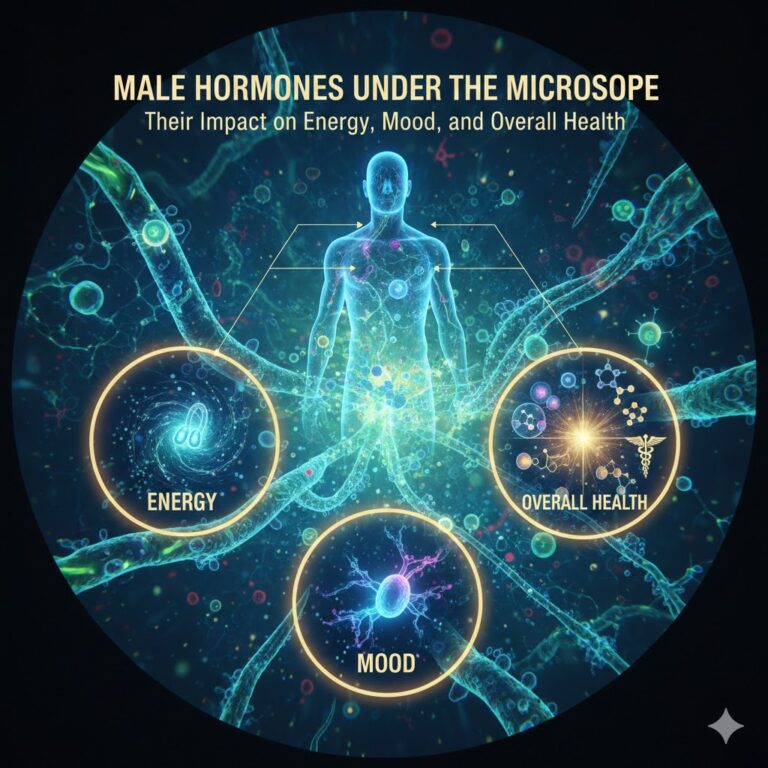
As men age, natural hormonal changes occur. These changes can affect:
- Energy levels
- Muscle mass
- Mood
- Sexual health
Healthy lifestyle habits help maintain hormonal balance naturally.
Supporting Healthy Aging
- Regular exercise
- Proper nutrition
- Stress management
- Adequate sleep
Aging well is not about avoiding age—it is about adapting wisely.
Social Health and Purpose in Life
Why Connection Matters
Strong social relationships improve mental health, reduce stress, and even increase lifespan. Men with a sense of purpose tend to live longer and healthier lives.
Building a Meaningful Life
- Maintain friendships
- Engage in hobbies
- Contribute to family or community
- Set personal goals
Health is not only about the body—it is also about meaning and fulfillment.
Reliable Medical and Research Sources
For further reading and scientific evidence, consult these trusted sources:
- World Health Organization (WHO): https://www.who.int
- Centers for Disease Control and Prevention (CDC): https://www.cdc.gov
- National Institutes of Health (NIH): https://www.nih.gov
These organizations provide up-to-date, evidence-based health information.
Men’s Health Is a Lifelong Investment
Men’s general health is not built overnight. It is the result of daily choices, awareness, and responsibility. By prioritizing nutrition, physical activity, mental well-being, sleep, and preventive care, men can dramatically improve both the length and quality of their lives.
Taking care of health is not a sign of weakness—it is a sign of intelligence, strength, and self-respect. The earlier men start investing in their health, the greater the returns they will enjoy for decades to come.
Disclaimer:
This article is for educational and informational purposes only and does not replace professional medical advice, diagnosis, or treatment. Always consult a qualified healthcare provider for personalized medical guidance.