
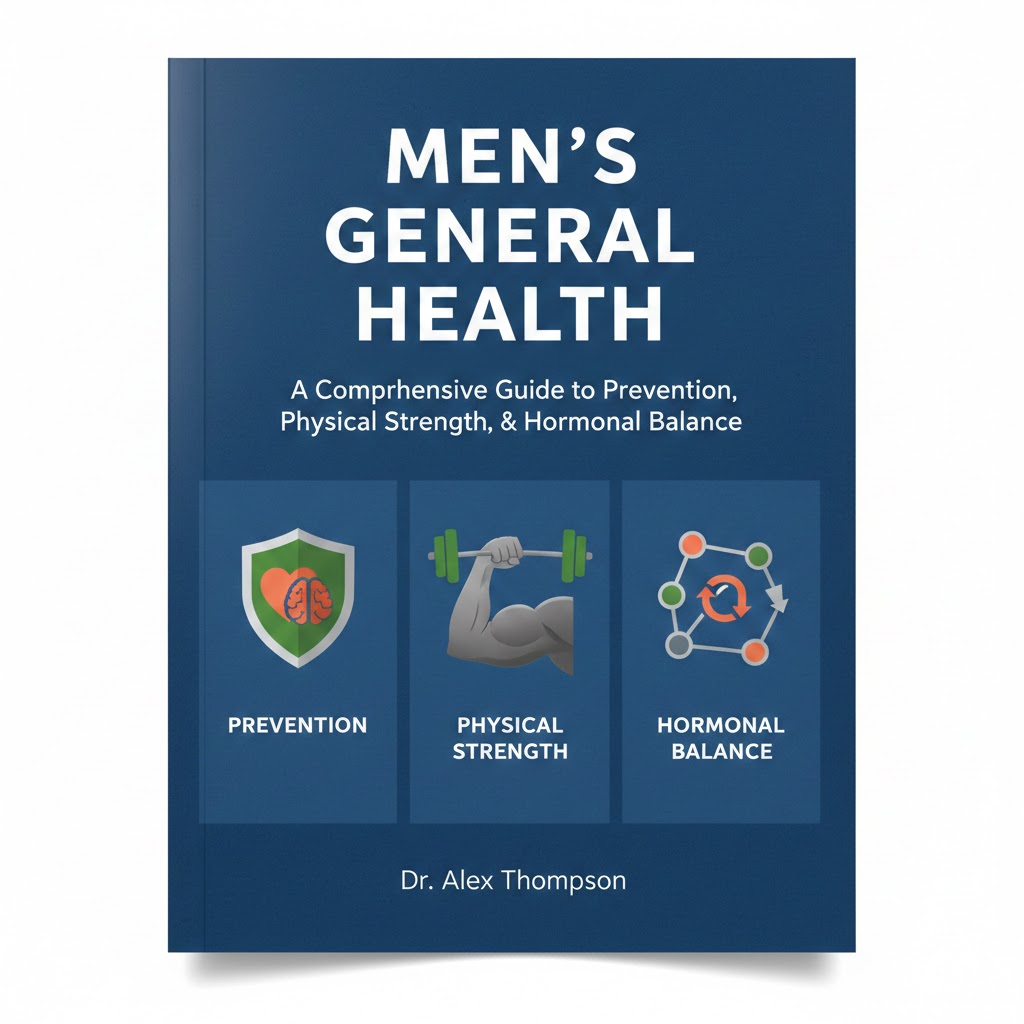
Men’s health is more than just avoiding illness. It is about building strong habits that support the body, mind, and hormones over a lifetime. Many common health problems in men—such as heart disease, diabetes, obesity, low testosterone, chronic stress, and muscle loss—can be reduced or prevented with the right lifestyle choices. This guide explains men’s general health in a clear, simple, and practical way, focusing on prevention, physical strength, and hormonal balance.
This article is written for the general public. You do not need a medical background to understand it. All information is based on established medical knowledge and trusted research, and it follows E‑E‑A‑T principles by focusing on evidence, experience, and reliability.
Why Men’s General Health Needs Special Attention
Biological Differences in Men
Men have unique biological characteristics that affect their health:
- Higher muscle mass and higher calorie needs
- Testosterone as the main sex hormone
- Different fat distribution (more abdominal fat)
- Higher risk of certain diseases at earlier ages
These differences mean that men often face specific health challenges, especially related to the heart, metabolism, and hormones.
Lifestyle and Social Factors
Many men delay doctor visits, ignore early symptoms, or feel pressure to “push through” pain or stress. Over time, this can lead to preventable chronic conditions. Taking care of health early is a strength, not a weakness.
Part 1: Prevention – The Foundation of Men’s Health
The Power of Preventive Health Care
Prevention means acting before disease appears. Regular checkups and healthy habits can detect problems early or stop them completely.
Key Preventive Screenings for Men
Blood Pressure
High blood pressure often has no symptoms but increases the risk of heart attack and stroke. Men should check it at least once a year.
Blood Sugar
Screening for diabetes or prediabetes is essential, especially for men over 35 or those with excess weight.
Cholesterol Levels
High LDL (bad cholesterol) and low HDL (good cholesterol) raise heart disease risk.
Prostate Health
Prostate issues become more common with age. Discuss screening options with a healthcare provider, especially after age 50.
Heart Health: The Number One Priority
Why Heart Disease Is a Major Risk for Men
Heart disease remains the leading cause of death in men worldwide. Risk factors include:
- Smoking
- Poor diet
- Lack of physical activity
- Chronic stress
- High blood pressure and cholesterol
Simple Steps to Protect the Heart
- Walk at least 30 minutes most days
- Eat more vegetables, fruits, and whole grains
- Reduce processed foods and sugary drinks
- Sleep 7–9 hours per night
Weight Management and Metabolic Health
Understanding Male Fat Distribution
Men tend to store fat around the abdomen. This type of fat (visceral fat) increases the risk of:
- Heart disease
- Type 2 diabetes
- Hormonal imbalance
Healthy Weight Without Extreme Diets
Healthy weight loss focuses on:
- Balanced meals
- Regular movement
- Long-term habits, not quick fixes
Extreme dieting can lower testosterone and slow metabolism.
Part 2: Physical Strength – Building a Strong and Resilient Body
Why Physical Strength Matters for Men
Muscle mass naturally decreases with age. Without action, this can lead to:
- Weakness
- Joint pain
- Poor posture
- Slower metabolism
Maintaining strength supports independence, confidence, and hormonal health.
Strength Training for Men
Benefits of Resistance Exercise
Strength training helps:
- Preserve muscle mass
- Improve bone density
- Increase insulin sensitivity
- Support testosterone levels
Beginner-Friendly Strength Training Principles
- Train major muscle groups 2–3 times per week
- Use bodyweight, resistance bands, or weights
- Focus on proper form, not heavy loads
Cardiovascular Fitness and Endurance
Why Cardio Is Still Important
While strength training is essential, cardiovascular exercise:
- Improves heart and lung health
- Reduces stress
- Supports fat loss
Best Cardio Options for Men
- Brisk walking
- Cycling
- Swimming
- Light jogging
Consistency matters more than intensity.
Mobility, Flexibility, and Injury Prevention
The Role of Mobility in Men’s Health
Poor flexibility increases injury risk and chronic pain. Simple daily mobility work helps:
- Protect joints
- Improve posture
- Reduce stiffness
Easy Mobility Habits
- 5–10 minutes of stretching daily
- Gentle movement after long sitting
- Warm-up before exercise
Part 3: Hormonal Balance – The Silent Regulator of Men’s Health
Understanding Testosterone
What Testosterone Does
Testosterone affects:
- Muscle mass and strength
- Bone density
- Energy levels
- Mood and motivation
- Sexual health
Testosterone naturally declines with age, but lifestyle plays a major role in how fast this happens.
Signs of Hormonal Imbalance in Men
Common signs may include:
- Persistent fatigue
- Loss of muscle
- Increased body fat
- Low motivation
- Poor sleep quality
These symptoms are not always due to hormones, but they should not be ignored.
Natural Ways to Support Hormonal Balance
Nutrition and Hormones
A balanced diet supports hormone production:
- Adequate protein for muscle and hormones
- Healthy fats (olive oil, nuts, seeds)
- Micronutrients like zinc and magnesium
Sleep and Testosterone
Poor sleep reduces testosterone levels. Aim for:
- Regular sleep schedule
- Dark, quiet sleeping environment
- Limiting screens before bed
Stress Management
Chronic stress raises cortisol, which can lower testosterone. Helpful strategies include:
- Breathing exercises
- Walking in nature
- Structured daily routines
Alcohol, Smoking, and Hormones
Alcohol
Excessive alcohol intake disrupts hormone balance and increases fat gain.
Smoking
Smoking affects blood vessels, hormone levels, and overall vitality. Quitting improves health at any age.
Mental Health: An Essential Part of Men’s Well-Being
Breaking the Silence Around Mental Health
Mental health is health. Anxiety, depression, and burnout affect many men but are often underreported.
Simple Mental Health Habits
- Regular physical activity
- Social connection
- Talking to a professional when needed
Strong mental health supports physical strength and hormonal balance.
Healthy Aging: Long-Term Men’s Health Strategy
Aging Well as a Man
Healthy aging is not about avoiding age, but about maintaining function and quality of life.
Key Habits for Healthy Aging
- Stay physically active
- Eat a balanced diet
- Maintain social connections
- Keep learning and setting goals
Trusted Medical and Research Sources
For further reading and verification, consult these reliable sources:
- World Health Organization (WHO) – Men’s Health and Noncommunicable Diseases
- National Institutes of Health (NIH) – Men’s Health Information
- Harvard Health Publishing – Men’s Health and Lifestyle Medicine
Final Thoughts
Men’s general health is built on small, consistent actions. Prevention reduces disease risk, physical strength supports independence, and hormonal balance influences energy, mood, and vitality. By focusing on these three pillars, men can significantly improve their quality of life at any age.
Disclaimer
This article is for educational purposes only and does not replace professional medical advice, diagnosis, or treatment. Always consult a qualified healthcare provider for personal health concerns.