
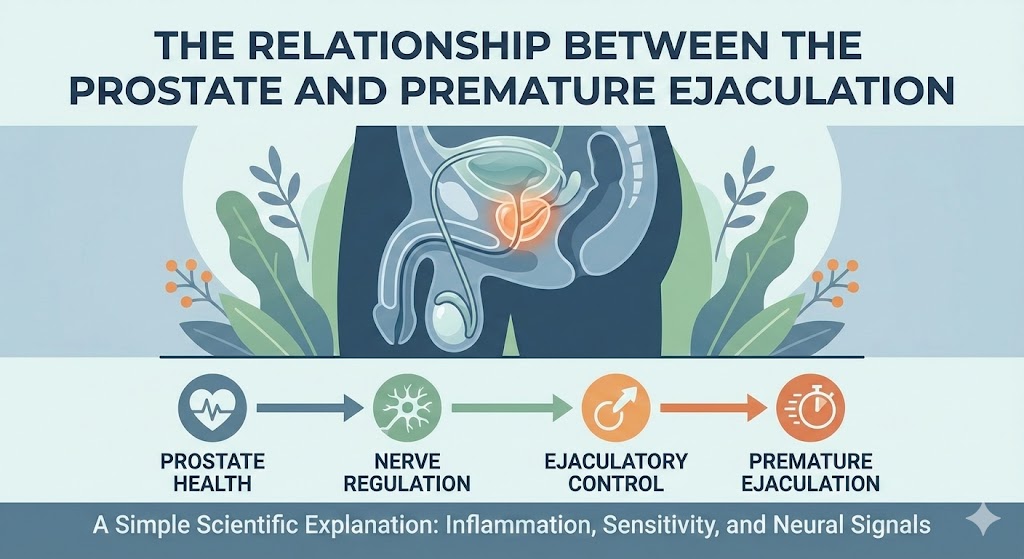
The relationship between the prostate and premature ejaculation is a medical topic that concerns many men, especially since both conditions directly affect sexual performance, quality of life, and self-confidence. In this comprehensive guide, you will find a clear, simple, and scientifically accurate explanation of how prostate health affects ejaculation, why prostate inflammation or congestion can trigger premature ejaculation, and how to manage the issue correctly.
This article is written in a highly professional, SEO-optimized style, easy to understand, rich in details, and fully aligned with Google Search and AdSense guidelines.
What Is the Prostate and What Is Its Role in Ejaculation?
The prostate is a small gland the size of a walnut, located just below the bladder and surrounding the urethra (the tube that carries urine and semen). Its main function is to produce a significant portion of the seminal fluid that nourishes and protects sperm as it leaves the body.
The prostate plays a major role during ejaculation. It contracts rhythmically during orgasm to help expel semen. Therefore, any inflammation, congestion, irritation, or structural issue within the prostate can directly affect the ejaculation process.
Why Is the Prostate Strongly Linked to Premature Ejaculation?
The prostate is part of a highly sensitive network of nerves connected to:
- The sensory nerves of the penis
- The nerves controlling pelvic floor muscles
- The mechanism that regulates ejaculation timing
When the prostate becomes inflamed or congested, it sends excessive nerve signals to the brain and pelvic region. This increases sensitivity during sexual activity, especially in the penis, and can trigger premature ejaculation.
In simple terms:
The problem may not be in the penis — but in the prostate that triggers early ejaculation signals.
Scientific Mechanisms That Link Prostate Disorders to Premature Ejaculation
1. Increased Nerve Sensitivity Around the Prostate and Penis
Prostatitis (prostate inflammation) irritates the nerves surrounding the gland. These nerves are the same pathways that control penile sensation. As they become irritated:
- Sensitivity increases
- Arousal rises too quickly
- Ejaculation becomes harder to control
- The “urge to ejaculate” appears early
This is one of the strongest, most common mechanisms behind prostate-related premature ejaculation.
2. Pelvic Floor Muscle Tension Caused by Prostate Inflammation
Chronic prostatitis causes constant tension in the pelvic floor muscles — the same muscles responsible for:
- Controlling ejaculation
- Maintaining erection
- Regulating arousal intensity
Tight, overactive pelvic floor muscles react very quickly to arousal, which often results in rapid ejaculation. This is a medically recognized cause but frequently overlooked.
3. Chemical and Biological Changes Inside an Inflamed Prostate
Inflammation alters the biochemical environment inside the gland. It may disrupt key substances that regulate ejaculation, such as:
- Prostaglandins
- Nerve growth factors
- Neurotransmitters that influence serotonin pathways (indirectly affecting ejaculation timing)
This biological imbalance increases the likelihood of premature ejaculation.
4. Psychological Stress Caused by Prostate Pain
Men with chronic prostate or pelvic pain often develop anxiety or sexual performance concerns. Stress intensifies sympathetic nervous activity, which increases the speed of ejaculation.
Here, psychological stress is secondary, not the root cause.
Do All Prostate Issues Cause Premature Ejaculation?
Not necessarily.
However, the following prostate problems are strongly linked to premature ejaculation:
- Acute bacterial prostatitis
- Chronic prostatitis/chronic pelvic pain syndrome
- Prostate congestion due to long sexual arousal without ejaculation
- Prostate irritation caused by prolonged sitting
Conversely, some prostate conditions cause no change in ejaculation timing — it depends on inflammation severity and nerve involvement.
Signs That Premature Ejaculation Is Caused by the Prostate
You can suspect a prostate-related cause if you experience:
- Pain or burning after ejaculation
- Pain in the testicles, pelvis, or lower back
- Pressure or heaviness in the perineum (area between scrotum and anus)
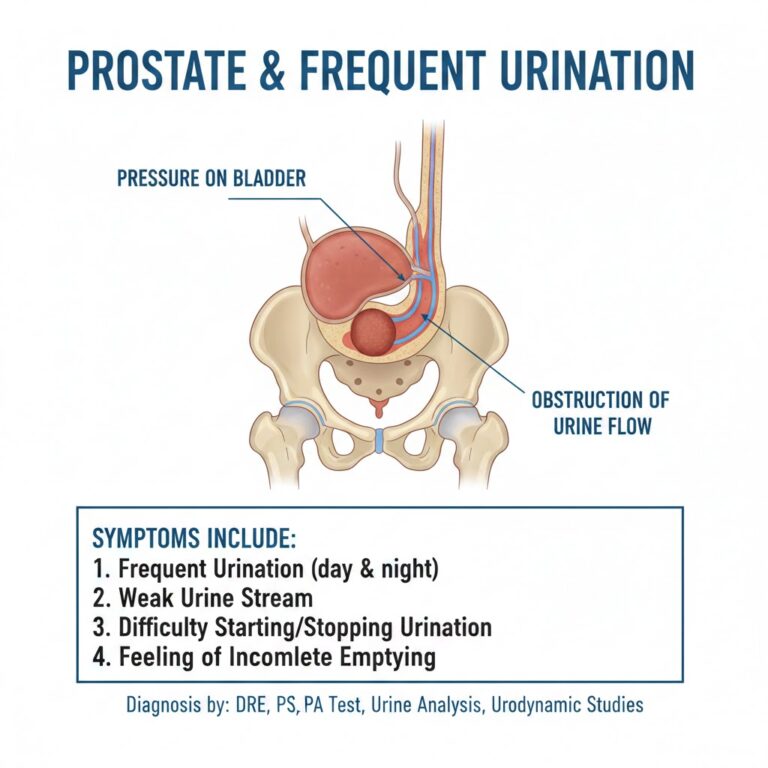
- Frequent urination or difficulty emptying the bladder
- Ejaculating too soon with little or no control
- Symptoms fluctuate day-to-day depending on inflammation
- Faster ejaculation accompanied by mild erectile dysfunction
These indicators strongly suggest a prostate-origin problem.
Why Does Treating the Prostate Often Improve Premature Ejaculation?
Because treatment reduces:
- Nerve sensitivity
- Pelvic muscle tension
- Inflammation and congestion
- Pain-related stress
- Neurochemical imbalance
Men frequently notice significant improvement in ejaculation control after:
- Treating the inflammation
- Relaxing pelvic floor muscles
- Improving blood circulation in the pelvic area
- Reducing sitting time
- Practicing healthy sexual habits
Prostatitis vs Psychological Premature Ejaculation: Key Differences
When the cause is psychological:
- No pain during or after ejaculation
- No urinary symptoms
- Ejaculation time is stable and predictable
- No pelvic tension or discomfort
- Symptoms often linked to stress or performance anxiety
When the cause is the prostate:
- Pain after ejaculation
- Unpredictable ejaculation time
- Urinary frequency or burning
- Pelvic pressure, testicular pain, or low back pain
- Symptoms worsen after sitting
- Improvement with heat (warm baths, sauna)
Can Chronic Prostatitis Lead to Permanent Premature Ejaculation?
Almost always: No.
In most cases:
- Treating inflammation
- Reducing pelvic tension
- Improving nerve health
…all lead to gradual improvement in ejaculation timing.
Only severe and untreated prostatitis lasting years may cause longer-term nerve sensitivity — and even then, improvement is still very possible.
Is Premature Ejaculation a Symptom of Prostatitis?
It can be, but not always.
Premature ejaculation becomes more suspicious if accompanied by:
- Pelvic or perineum pain
- Burning urine
- Frequent urination
- Post-ejaculatory discomfort
- Groin or lower back pain
If PE is the only symptom, the cause may be unrelated.
How to Tell if Your Premature Ejaculation Is Prostate-Related
Answer these questions:
- Did the problem appear suddenly after years of normal performance?
- Do you feel pelvic pain or heaviness?
- Do symptoms worsen after sitting long hours?
- Does ejaculation feel “forced” or uncomfortable?
- Is there burning or pressure after intercourse?
- Do warm baths relieve the symptoms?
If most answers are “yes,” the prostate is likely involved.
How to Keep Your Prostate Healthy and Avoid Premature Ejaculation
1. Regular ejaculation
Prevents congestion and improves prostate fluid circulation.
2. Warm baths or sauna
Relaxes pelvic floor muscles and increases blood flow.
3. Avoid long sitting hours
Reduces pressure and inflammation.
4. Anti-inflammatory foods
Such as:
- Turmeric
- Fatty fish
- Olive oil
- Leafy greens
- Nuts and seeds
5. Avoid constipation
A full colon presses directly on the prostate.
6. Pelvic floor physiotherapy
One of the best long-term solutions for prostate-related PE.
7. Medical treatment
Depending on the condition:
- Anti-inflammatory medication
- Antibiotics (for confirmed bacterial cases)
- Muscle relaxants
- Alpha-blockers in some cases
When Should You Consult a Doctor?
Seek medical evaluation if you experience:
- Severe pain after ejaculation
- Painful urination
- Fever (in acute prostatitis)
- Pain during sitting
- Blood in semen
- Sudden changes in ejaculatory function
These symptoms require proper diagnosis.
Reliable Medical Sources
- Mayo Clinic – Prostatitis
https://www.mayoclinic.org/diseases-conditions/prostatitis - Cleveland Clinic – Ejaculation Disorders
https://my.clevelandclinic.org/health/diseases/ejaculation-disorders - National Institutes of Health (NIH) – Chronic Prostatitis
https://www.niddk.nih.gov/health-information/urologic-diseases/prostatitis - MedlinePlus – Premature Ejaculation
https://medlineplus.gov/ency/article/001951.htm
Medical responsibility disclaimer
This article is intended for educational purposes only and does not replace professional medical diagnosis or treatment; any persistent or concerning symptoms should always be evaluated by a qualified healthcare professional.