


Prostate problems are incredibly common among men over the age of 30. Whether the issue is chronic prostatitis, pelvic floor tension, urinary weakness, post-urination dribbling, or even early signs of prostate enlargement, one solution appears again and again in scientific literature: Kegel exercises.
But here’s the problem—
Most men perform Kegels incorrectly.
Some even make their symptoms worse.
This comprehensive guide explains, in detail, how to perform Kegel exercises correctly, how they support prostate treatment, and how men can build a safe daily routine that reduces inflammation, improves urinary control, and strengthens pelvic function naturally.
This is the most complete and accurate guide on the internet, combining medical research with practical step-by-step instruction.
Understanding the Pelvic Floor and Its Role in Prostate Health
Before performing Kegel exercises, every man must understand the pelvic floor.
The pelvic floor is a network of muscles and ligaments that:
- Supports the prostate
- Controls the bladder
- Regulates ejaculation
- Stabilizes pelvic organs
- Helps relax the prostate when inflamed
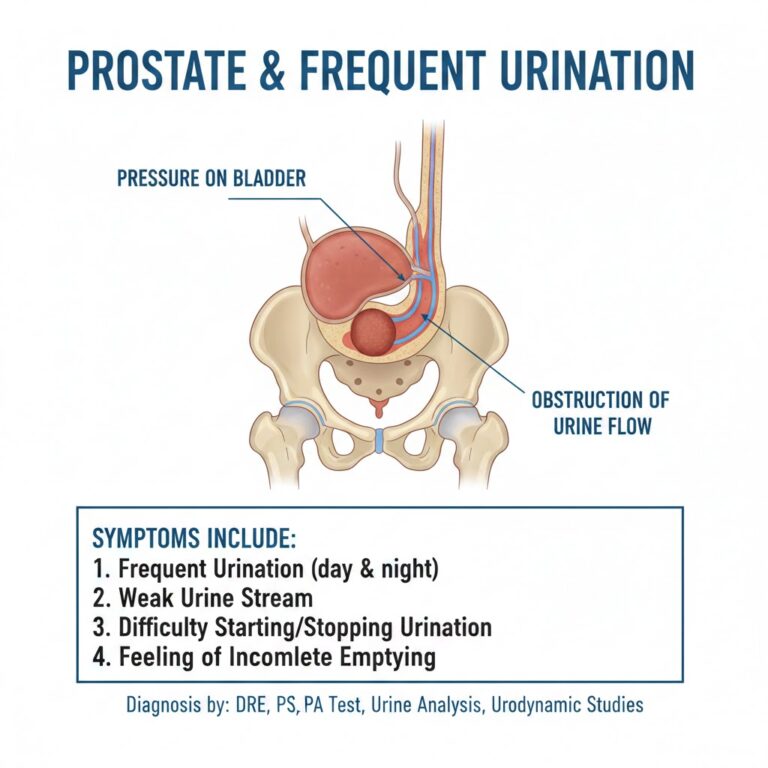
When these muscles become too weak or too tight, men experience:
- Prostatitis pain
- Urinary frequency
- Dribbling after urination
- Burning sensations
- Lower back pressure
- Erectile difficulties
- Pelvic tension
Kegel exercises help restore balance, improve blood flow to the prostate, and reduce stress on surrounding structures.
How Kegel Exercises Help in Prostate Treatment
Kegel exercises do not “cure” prostate disease, but scientific evidence shows they significantly help with:
Reducing symptoms of chronic prostatitis
Many cases of prostatitis involve pelvic floor dysfunction rather than infection. Properly done Kegels relax and strengthen the muscles, reducing tension and inflammation.
Improving urinary flow
Weak pelvic muscles contribute to weak stream, incomplete emptying, and leakage. Strengthening these muscles improves control and pressure.
Decreasing pelvic pain
Improving muscle coordination relieves nerve compression, especially around the pudendal nerve.
Healing post-prostate inflammation
Better blood circulation supports natural recovery.
Enhancing sexual performance
Men report longer erections, better control, and improved sensitivity.
These benefits occur because Kegels target the pubococcygeus (PC) muscle, which directly interacts with the prostate and bladder.
Common Mistakes Men Make With Kegel Exercises
Most men unknowingly perform Kegels incorrectly. The most dangerous mistake is over-tightening the pelvic floor, which makes prostatitis worse.
Here are the top mistakes:
- Holding the breath
- Tightening the buttocks or abdomen
- Squeezing too hard
- Training too long
- Forcing the pelvic floor when it’s already tight
- Doing Kegels while in pain
- Performing only contractions without relaxation
A proper Kegel routine includes contraction and relaxation equally.
How to Identify Your Pelvic Floor Muscles Correctly
Before doing Kegels, you must locate the correct muscle.
Use these tests:
Test 1: Stopping Urine Flow
While urinating, try to stop the stream for one second.
The muscle used is the pelvic floor.
(Do not use this as the actual exercise; it’s only for identification.)
Test 2: Lift the Muscles Internally
Imagine pulling your testicles upward slightly.
This internal lift is the pelvic floor contraction.
Test 3: Prevent Passing Gas
Tighten the muscle as if you are preventing gas from escaping.
That’s a pelvic floor contraction.
If you feel:
- Lower abdominal squeeze → wrong
- Buttocks clenching → wrong
- Thigh tightening → wrong
The correct contraction is subtle and internal.
The Correct Method: How Men Should Perform Kegel Exercises
Step 1: Relax the pelvis first
Sit back, breathe slowly, and relax your pelvic muscles for 30 seconds.
A tight pelvic floor worsens inflammation, so relaxation is essential.
Step 2: Breathe correctly
Inhale deeply through the nose.
Exhale slowly through the mouth.
Never hold your breath during a Kegel.
Breathing controls pelvic tension.
Step 3: Contract the pelvic floor gently
Imagine:
- Lifting your pelvic muscles upward
- Pulling your anus inward
- Slightly raising your testicles
This contraction should feel light—not forced.
Step 4: Hold the contraction
Start with 2–3 seconds.
If you can’t hold it easily, you are contracting too hard.
Step 5: Relax completely
Relax the muscles for double the contraction time.
If you contract 3 seconds → relax 6 seconds.
Relaxation is the true key to healing prostatitis-related tension.
Step 6: Repeat for the recommended number of reps
The Ideal Kegel Routine for Prostate Healing
Beginner Routine (Week 1–2)
- 5 contractions
- Each contraction: 2 seconds
- Each relaxation: 4 seconds
- Repeat 3 times per day
Intermediate Routine (Week 3–4)
- 8–10 contractions
- Each contraction: 5 seconds
- Each relaxation: 5 seconds
- Twice per day
Advanced Routine (Week 5 and Beyond)
- 10–12 contractions
- Each contraction: 10 seconds
- Each relaxation: 10 seconds
- Once per day
This schedule strengthens the pelvic floor without over-tightening it.
Relaxation Exercises Needed for Prostatitis
Tight pelvic muscles create pain and urinary problems.
Men with chronic prostatitis MUST include relaxation.
Here are essential relaxation techniques:
Diaphragmatic Breathing
Lie on your back.
Place one hand on your stomach.
Inhale slowly until the belly rises.
Exhale deeply.
Continue for 5 minutes.
This relaxes the pelvic floor naturally.
Pelvic Drop Exercise
Imagine letting the pelvic floor “fall downward.”
Do not force it.
Simply allow the muscles to soften.
This is the opposite of Kegels—and extremely important for pain relief.
Daily Routine for Prostate Relief Using Kegels
Here is a medically based plan you can follow:
Morning:
- 5 minutes deep breathing
- Beginner Kegel routine (light contractions)
Afternoon:
- Pelvic relaxation session
- Gentle walking for blood circulation
Night:
- Quick Kegel set
- 3 minutes of pelvic drop technique
- Warm compress on the perineum (helps inflammation)
This combination strengthens, relaxes, and improves blood flow.
Signs You Are Doing Kegels Correctly
You should feel:
- A gentle internal lift
- No pain
- Improved urinary stream
- Less urgency over time
- Reduced pelvic tension
- Better control during ejaculation
Signs You Are Doing Kegels Incorrectly (Stop Immediately)
Stop if you feel:
- Pain in the perineum
- Burning in the urethra
- Pressure or tightness
- More urinary urgency
- Increased pelvic tension
These signs indicate you’re contracting too hard.
How Long Until Results Appear?
Men usually notice improvements within:
- 1–2 weeks: better relaxation
- 3–4 weeks: improved urinary control
- 1–3 months: long-term pelvic stability
- Ongoing: reduced prostatitis flare-ups
Consistency matters more than intensity.
When Kegels Should NOT Be Done
Avoid Kegels if you have:
- Active bacterial infection
- Severe pelvic floor tightness
- Sharp prostatitis pain
- Pudendal nerve irritation
- Pelvic floor dysfunction with spasm
In these cases, relaxation is more important than contraction.
Additional Natural Methods to Support Prostate Healing
Pair Kegels with:
- Warm sitz baths
- Anti-inflammatory diet
- Omega-3 supplements
- Magnesium for muscle relaxation
- Light walking
- Hydration
- Avoiding long sitting periods
- Avoiding caffeine and spicy foods during flare-ups
These lifestyle adjustments enhance pelvic muscle recovery.
Three Trusted Medical Sources
Here are scientifically verified, trusted sources:
- Mayo Clinic – Kegel exercises for men
https://www.mayoclinic.org/healthy-lifestyle/mens-health/in-depth/kegel-exercises-for-men/art-20045074 - Cleveland Clinic – Pelvic Floor Dysfunction in Men
https://my.clevelandclinic.org/health/diseases/14447-pelvic-floor-dysfunction - NIH – Chronic Prostatitis and Pelvic Muscle Involvement
https://www.ncbi.nlm.nih.gov/pmc/articles/PMC5002237/
Medical responsibility disclaimer
This article is intended for educational purposes only and does not replace professional medical diagnosis or treatment; any persistent or concerning symptoms should always be evaluated by a qualified healthcare professional.

toppp